
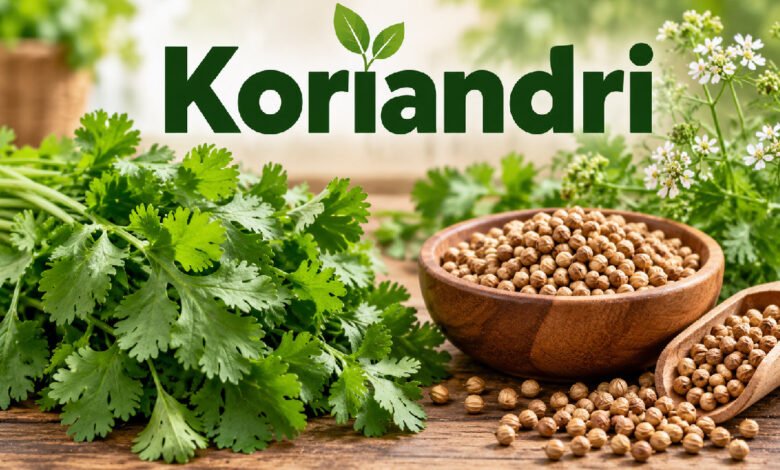
Koriandri is a term connected with coriander, the fragrant herb known scientifically as Coriandrum sativum. The plant provides fresh leaves, tender stems, flavorful roots, and aromatic dried seeds for cooking.
Koriandri attracts attention because the unfamiliar spelling can make it seem like a different herb. Its fresh leaves and dried seeds are also surprisingly different in taste, aroma, and culinary use.
This guide explains what Koriandri really means, its botanical identity, flavor, nutrition, kitchen uses, growing methods, storage, substitutes, safety, and the important differences between fresh leaves and coriander seeds.
What Is Koriandri?
Koriandri refers to coriander, the plant scientifically called Coriandrum sativum. It is an annual herb from the Apiaceae family, which also includes familiar plants such as parsley, carrot, celery, and fennel.
The plant grows green leaves before producing taller stems and small white or pale pink flowers. These flowers later develop into small round fruits that cooks commonly know and use as coriander seeds.
Different parts of Koriandri are useful in cooking. Fresh leaves provide a bright herbal flavor, stems carry plenty of aroma, roots offer a stronger earthy character, and dried seeds provide warm spice.
Is Koriandri a Different Plant From Coriander?
Koriandri should not be understood as a newly discovered herb or a separate species of coriander. The name is associated with coriander through different language forms, while its botanical identity remains Coriandrum sativum.
This explains some of the confusion surrounding online searches for Koriandri. Estonian uses koriander for coriander, with koriandri appearing as a grammatical form. Other languages use their own similar-looking versions of the word.
English naming can also be confusing. In American English, the fresh leaves are usually called cilantro, while coriander commonly describes the dried seeds. In other English-speaking regions, coriander may describe the entire plant.
What Does Koriandri Look Like?
Young Koriandri plants usually develop soft green leaves with rounded or divided edges. As the plant matures, it grows taller, and the leaves near the upper stems become finer and more delicate.
Small clusters of white or light pink flowers appear when the plant begins flowering. After pollination, these flowers develop into round fruits. Once dried, these fruits become what people commonly call coriander seeds.
The appearance therefore changes throughout the plant’s life. A young plant looks like a leafy kitchen herb, while a mature plant becomes taller and produces flowers and seeds that can supply another useful cooking ingredient.
Why Koriandri Leaves and Seeds Taste Different
Fresh Koriandri leaves have a strong green and herbal taste. Many people notice fresh citrus notes that can remind them of lemon or lime, especially when the leaves are chopped shortly before serving.
Coriander seeds offer a very different experience. Their taste is warmer, slightly sweet, earthy, and mildly nutty. Some people notice a light citrus or orange-like character alongside the deeper spice notes.
This difference is important when following recipes. Fresh leaves and dried seeds come from the same plant, but they are not direct substitutes. Leaves usually provide freshness, while seeds create warmth and depth during cooking.
Why Does Koriandri Taste Like Soap to Some People?
Fresh Koriandri can create surprisingly different reactions. One person may describe the leaves as bright, fresh, and citrusy, while another person eating the same leaves may notice a strong soap-like taste.
Part of this difference is connected with aroma compounds called aldehydes. Human sensitivity to these aromas varies, and research has linked cilantro preference with genetic differences involving smell receptors, including regions associated with the OR6A2 receptor.
Genetics does not explain every preference, because eating habits and repeated exposure can also affect taste. People who strongly dislike fresh leaves may still enjoy coriander seeds because their flavor is noticeably warmer and different.
Fresh Koriandri Leaves in Everyday Cooking
Fresh leaves work particularly well when food needs a bright finishing flavor. They can be chopped over curry, lentils, rice, soup, beans, grilled meat, vegetables, tacos, salads, and many other savory dishes.
Timing makes a noticeable difference. Long cooking can reduce the fresh aroma of the leaves. When brightness is the goal, chopped Koriandri is normally better when added near the end of cooking or immediately before serving.
Fresh coriander also works naturally with lime, lemon, tomato, chili, garlic, ginger, onion, and yogurt. These combinations explain why the herb appears in sauces, chutneys, salsas, marinades, dips, and fresh toppings around the world.
How Coriander Seeds Are Used
Coriander seeds are valuable when a dish needs warm spice rather than fresh herbal flavor. Cooks use them whole, crushed, or ground in curries, spice mixtures, marinades, pickles, bread, vegetables, lentils, and meat dishes.
Whole seeds can be gently toasted in a dry pan before grinding. Heat releases more of their aroma and can create a richer flavor. They should be removed from the pan before they become dark or burn.
Freshly crushed seeds usually smell stronger than coriander powder that has remained open for a long period. Keeping whole seeds and grinding small amounts when needed can therefore provide a fresher and more noticeable spice character.
Do Koriandri Stems and Roots Have Uses?
The stems should not automatically go into the waste bin. Tender Koriandri stems contain plenty of flavor and can be chopped with the leaves or blended into sauces, chutneys, marinades, soups, and curry mixtures.
Roots are another useful part of the plant, although they are less commonly sold in many supermarkets. They have a stronger and more concentrated character and are especially useful in certain Southeast Asian pastes, sauces, and marinades.
Using several parts of the plant reduces food waste and provides different flavors. Delicate leaves work well as a finishing herb, stems suit blended preparations, and roots can provide a deeper aromatic base where recipes specifically require them.
Koriandri in South Asian Cooking
Koriandri has an important role across South Asian cooking. Fresh coriander is commonly added to curries, dals, chutneys, raita, rice, chaat, salads, kebabs, and other dishes where fresh herbal flavor balances rich spices.
Coriander seed is equally useful. Whole or ground seeds can form part of the seasoning base for vegetables, meat, lentils, and spice mixtures. Their warmth works particularly well alongside cumin, turmeric, chili, garlic, and ginger.
A single dish can even use coriander in different stages. Ground seeds may build flavor during cooking, while chopped fresh leaves can be added before serving. This creates both warm spice depth and fresh herbal contrast.
How Koriandri Is Used Around the World
Koriandri is not limited to one region. Fresh cilantro is widely used in Mexican and Latin American cooking, including salsa, tacos, beans, soups, sauces, and dishes combining chili, tomato, onion, and lime.
Southeast Asian cuisines also make extensive use of coriander. Depending on the dish and regional tradition, cooks may use leaves, stems, or roots in soups, noodle dishes, curry pastes, sauces, marinades, and fresh garnishes.
Coriander seeds appear in Middle Eastern, Mediterranean, European, African, and Asian cooking as well. Different traditions treat the plant differently, which demonstrates how one herb can perform several culinary jobs depending on the part being used.
Koriandri Nutrition and Everyday Food Value
Fresh coriander contains a high proportion of water and provides very few calories in normal servings. Its leaves contain nutrients that include vitamin K and smaller contributions of other vitamins, minerals, and naturally occurring plant compounds.
Dried coriander seeds are nutritionally denser because much of their water has been removed. They contain fiber, fat, protein, and several minerals. However, people normally consume seeds in much smaller quantities than staple foods.
Portion size therefore matters when discussing nutrition. Koriandri can contribute to a varied diet, but it should not be treated like a complete nutritional source. Its most practical everyday advantage remains its ability to add considerable flavor without requiring much salt or sugar.
Possible Health Benefits of Koriandri
Coriander contains natural compounds that have attracted scientific interest. Researchers have studied coriander and its components for antioxidant activity and possible effects involving areas such as blood sugar, blood fats, microorganisms, and digestive function.
Much of this research does not mean ordinary coriander can treat a disease. Laboratory, animal, and preliminary findings cannot automatically be converted into medical claims for people. Strong evidence from suitable human studies is needed before making such conclusions.
The sensible approach is to enjoy Koriandri as food rather than medicine. Fresh leaves and seeds can contribute flavor and variety to balanced meals, but they should not replace prescribed treatments or professional medical advice.
Can Koriandri Support Digestion?
Coriander seeds have traditionally been included in foods and drinks associated with digestion. Their warm aroma makes them suitable for meals, spice blends, and mild drinks made by steeping or simmering crushed seeds in water.
People may find such preparations pleasant after eating, but coriander should not be viewed as a guaranteed treatment for digestive problems. Persistent bloating, severe stomach pain, vomiting, unexplained weight loss, or blood in the stool requires proper medical attention.
For normal cooking, coriander seeds can simply form part of a balanced spice mixture. They provide aroma without extreme heat, making them particularly useful in lentils, vegetables, soups, curries, and other filling meals.
How to Buy Fresh Koriandri
Look for bunches with healthy green leaves and reasonably firm stems. Fresh Koriandri should have a clean herbal smell. A few damaged leaves are manageable, but widespread yellowing or wilting suggests the bunch is aging.
Moisture deserves attention as well. Leaves covered in slime or showing signs of wet decay will deteriorate quickly. Check underneath the upper leaves because the lower stems may reveal the condition of the entire bunch.
Choose only as much as you can reasonably use while it remains fresh. Buying a very large bunch may seem economical, but it offers little value if half becomes spoiled before it reaches a recipe.
How to Store Fresh Koriandri
Fresh Koriandri lasts longer when excess moisture and damaged leaves are controlled. Remove badly wilted or slimy pieces first. If the bunch is very wet, gently dry it rather than storing leaves covered with water.
One method is to trim the stem ends and place them in a jar containing a small amount of water. Keep the bunch refrigerated and loosely covered, changing the water when needed to maintain freshness.
Another option is storing reasonably dry leaves with a slightly damp paper towel inside a suitable container. Avoid soaking the leaves. Whatever method you choose, check the bunch regularly and remove spoiled pieces before decay spreads through the remaining coriander.
How to Store Coriander Seeds
Whole coriander seeds are easier to store than delicate fresh leaves. Keep them in a clean, tightly closed container away from direct sunlight, excessive heat, moisture, and strong environmental odors.
Whole seeds generally preserve their aroma better than already-ground coriander because grinding exposes more surface area to oxygen. For stronger flavor, keep the seeds whole and grind only the quantity needed for the current recipe.
Ground coriander should also be kept tightly sealed in a cool, dry cupboard. If it develops very little aroma when opened, the spice may still look normal but provide weak flavor. Replacing old ground spice can noticeably improve cooking.
How to Grow Koriandri at Home
Koriandri grows readily from seed and can be suitable for gardens or containers. It prefers well-draining soil, regular moisture, and sufficient light. Seeds can usually be planted directly where the plants will continue growing.
Keep the soil moist during germination without leaving it waterlogged. Once established, the plants develop quickly. Very hot conditions can encourage early flowering, commonly called bolting, which reduces the period available for harvesting tender leaves.
For a longer supply, gardeners can sow smaller batches at intervals rather than planting every seed together. Plants intended for seeds should be allowed to flower and mature until the fruits develop and become suitable for drying and storage.
Best Substitutes for Fresh Koriandri
No substitute perfectly copies fresh Koriandri because its aroma is distinctive. Flat-leaf parsley is one of the simplest alternatives when a recipe mainly needs a fresh green herb, although parsley has a noticeably different flavor.
Adding a little lime or lemon can provide some of the citrus freshness that coriander contributes. Mint may work in yogurt-based sauces, salads, and chutneys, while Thai basil can be suitable for selected Southeast Asian-style dishes.
Choose the substitute according to the recipe instead of expecting one herb to work everywhere. Begin with a modest quantity and taste before adding more. This prevents a strongly flavored replacement from overpowering the other ingredients.
Best Substitutes for Coriander Seeds
Cumin can replace some of the warm character of coriander seed, especially in curries and savory spice mixtures. However, cumin tastes more earthy and intense, so it should not be expected to reproduce coriander exactly.
Caraway provides another aromatic option, although it has a sharper and more distinctive taste. Fennel seeds bring sweetness and a light licorice-like character, making them appropriate only when those qualities fit the dish.
A spice blend may sometimes provide a closer balance than a single replacement. Start with less than the amount of coriander requested, particularly when using stronger spices. Taste the dish during cooking and adjust gradually instead of making a large substitution immediately.
Safety and Allergies
Koriandri is widely consumed as a normal food ingredient, but an allergic reaction is possible, as it is with many foods. Symptoms such as itching, rash, or swelling after eating coriander should not simply be ignored.
Severe reactions require immediate attention. Difficulty breathing or rapid swelling involving the mouth, tongue, throat, or face can indicate a medical emergency and requires urgent medical care rather than a home remedy.
Concentrated coriander oils, extracts, and supplements are different from adding ordinary leaves or seeds to food. Their doses can be much higher. Anyone taking medication or managing a medical condition should seek appropriate professional advice before regularly using concentrated herbal products.
How to Wash and Prepare Fresh Koriandri
Fresh leaves can carry soil and other material from harvesting, transport, and handling. Inspect the bunch first, remove damaged sections, and wash the usable coriander thoroughly under clean running water before preparing it for food.
Gently remove excess water afterward. A salad spinner can help, or the leaves can be carefully dried using clean kitchen material. Avoid crushing them because damaged leaves lose their attractive texture and fresh appearance more quickly.
Do not wash fresh herbs with household soap or cleaning chemicals. Once clean, chop Koriandri close to the time it will be used. Keeping the leaves intact until needed helps preserve more of their fresh aroma and character.
How to Choose the Right Part of Koriandri
Choose fresh leaves when a dish needs brightness, fresh herbal aroma, and a colorful finishing touch. They are particularly useful in curries, soups, salads, rice, tacos, chutneys, salsa, and yogurt-based sauces.
Choose seeds when the food needs warm spice depth. Toasting whole seeds can make their aroma more noticeable before they are crushed. Tender stems are useful when blending sauces, marinades, and chutneys because they contain considerable flavor.
Roots have a more concentrated character and should be used when a suitable recipe specifically requires them. Thinking about the desired flavor first makes choosing easy: leaves provide freshness, while seeds generally provide deeper warmth and spice.
Why Koriandri Deserves a Place in the Kitchen
Few everyday herbs provide as many useful parts as Koriandri. Fresh leaves can finish a meal, stems can flavor sauces, roots can strengthen aromatic pastes, and mature dried seeds become a completely different spice.
Its flexibility also makes it useful across different cuisines. The same plant can appear in South Asian curry, Mexican salsa, Southeast Asian soup, Middle Eastern seasoning, homemade chutney, roasted vegetables, rice, or a simple yogurt sauce.
You do not need complicated techniques to use it successfully. Understand the difference between leaves and seeds, choose the correct form, use fresh leaves at the right time, and store each form properly. Those simple habits produce better results.
Final Thoughts
Koriandri is not a mysterious new herb. It is a name connected with coriander, or Coriandrum sativum, a versatile plant valued for its fresh leaves, aromatic stems, flavorful roots, and warm dried seeds.
Its different parts serve different purposes. Leaves add brightness, while seeds add depth. This explains why replacing one with the other rarely works. It also explains why coriander has found a place in so many cooking traditions.
For everyday use, focus on flavor rather than exaggerated health claims. Buy it fresh, store it carefully, experiment with whole seeds, and choose the part that fits your recipe. Koriandri becomes much easier to understand once its different culinary roles are clear.
(FAQs)
What is Koriandri in English?
Koriandri is connected with the herb known in English as coriander. Its scientific name is Coriandrum sativum. In American English, its fresh leaves are commonly called cilantro, while the dried fruits are usually called coriander seeds.
Is Koriandri the same as cilantro?
Cilantro refers mainly to the fresh leaves and stems of Coriandrum sativum in American English. Koriandri can refer more broadly to coriander, so cilantro represents the fresh leafy part of the same plant rather than another species.
Why does Koriandri taste like soap to some people?
Fresh coriander contains aromatic compounds, including aldehydes, that different people perceive differently. Genetic differences involving smell receptors can influence this response. Some people therefore experience a pleasant citrus-like flavor, while others notice an unpleasant soap-like taste.
Can you eat Koriandri seeds and leaves?
Yes. Both are widely used, but they taste different. Fresh leaves have a bright herbal character and are often added near serving time. Coriander seeds provide warmer, deeper spice and are commonly toasted, crushed, or ground before cooking.
What is the best way to use Koriandri?
Use fresh leaves for curries, salads, salsa, chutneys, rice, soups, and garnishes. Use coriander seeds for spice mixtures, marinades, lentils, vegetables, and curries. Tender stems can also be blended into sauces instead of being discarded.

